
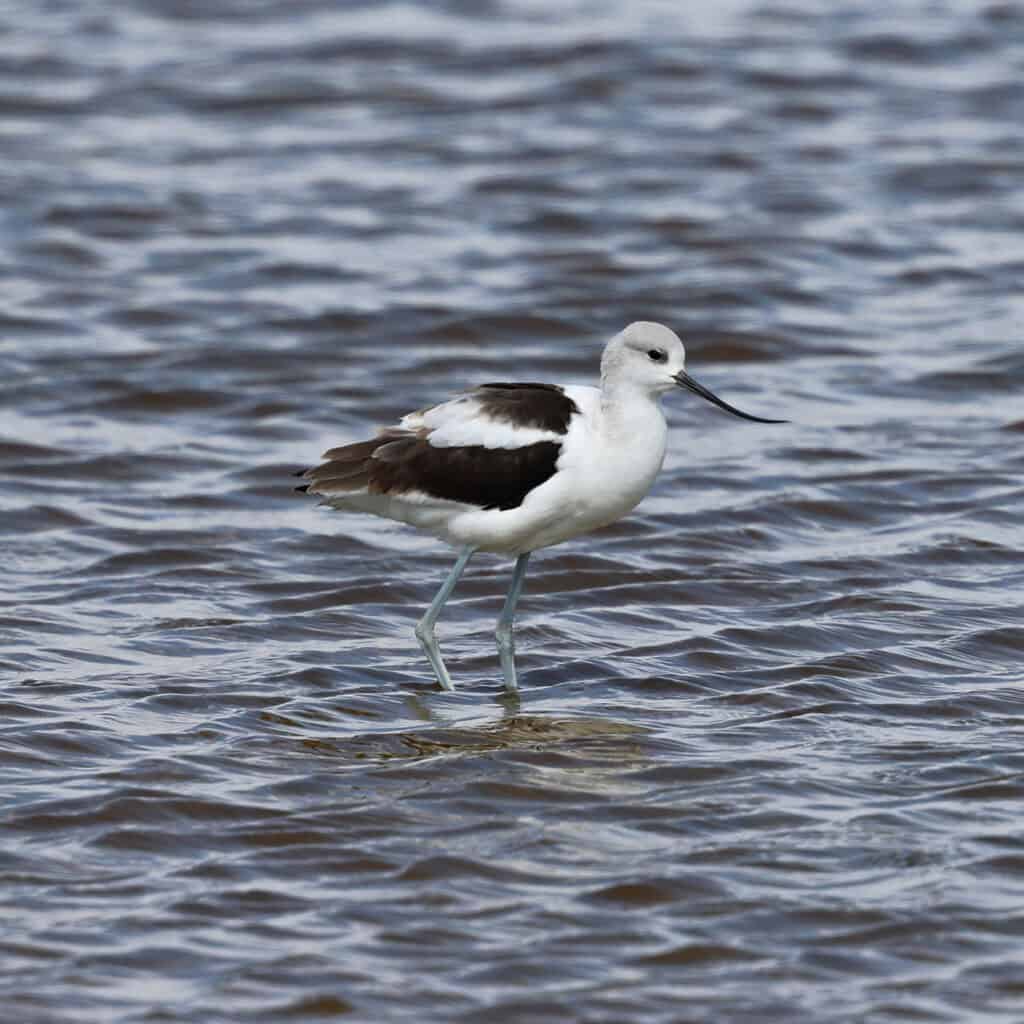
Quivira National Wildlife Refuge
Most people drive through south-central Kansas without knowing that one of the most remarkable wildlife refuges in the country sits just outside the small town of Stafford.
Quivira National Wildlife Refuge is not loud or obvious about what it offers. It is the kind of place that rewards patience, and once you understand what is happening there, it is hard not to be moved by it.
The name Quivira traces back to 1541, when Spanish conquistador Francisco Vásquez de Coronado led an expedition across the Great Plains searching for a fabled city of gold.
What he found instead were fertile grasslands, abundant wildlife, and the small agricultural villages of the Quiviran people, ancestors of the Wichita tribe. No gold, but a landscape of real and lasting richness.
The refuge itself was established on May 3, 1955, under the Migratory Bird Conservation Act, created to protect vital habitat for waterfowl traveling the Central Flyway, one of four major migratory routes running between Canada and the Gulf Coast. By 1998 the refuge had reached its full size of 22,135 acres, a rare combination of inland salt marsh and sand prairie that simply does not exist in many other places in the interior of the country.
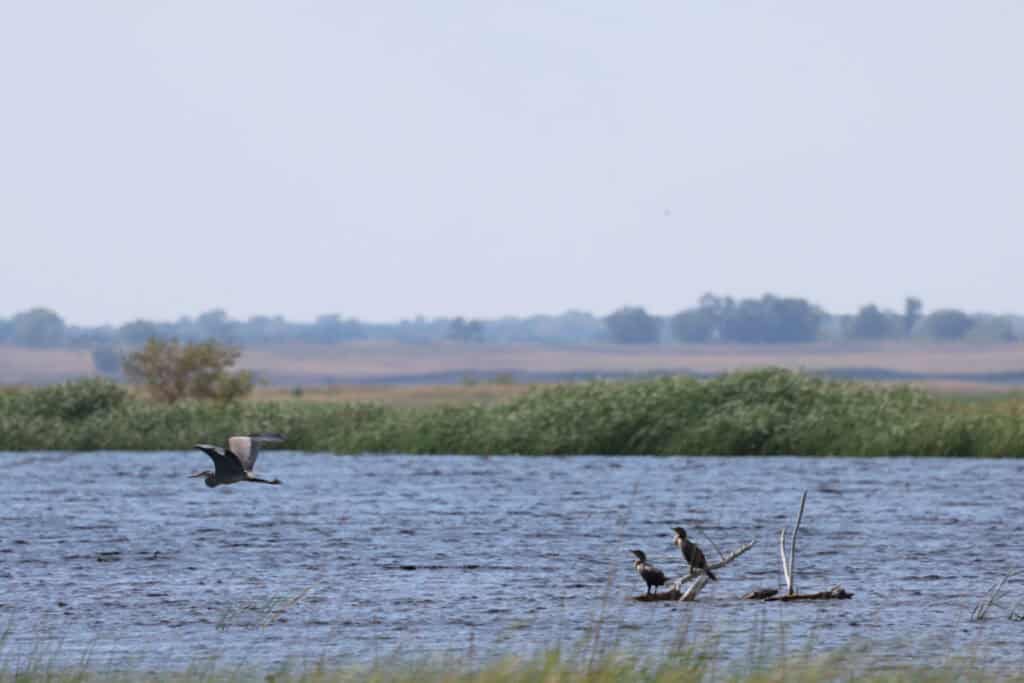
What impressed me when I visited was just how alive the place feels. I saw numerous different bird species, and over 340 species of birds have been documented at Quivira, a level of diversity more commonly associated with coastal areas or large river systems. From September through December, thousands of Canada geese, ducks, and sandhill cranes pass through. Bald and golden eagles winter on the refuge from November to March. In March and April, the refuge becomes a staging area for more than 300,000 birds heading north to nesting grounds.
The whooping crane stops here too, and that alone makes Quivira worth understanding. Fewer than 700 whooping cranes remain in the wild, and roughly one-fifth of the entire population passes through Quivira each year on their 2,500-mile journey between Wood Buffalo National Park in Canada and Aransas National Wildlife Refuge in Texas. The refuge has been federally designated as critical habitat for the whooping crane, as well as for the interior least tern and the threatened western snowy plover.
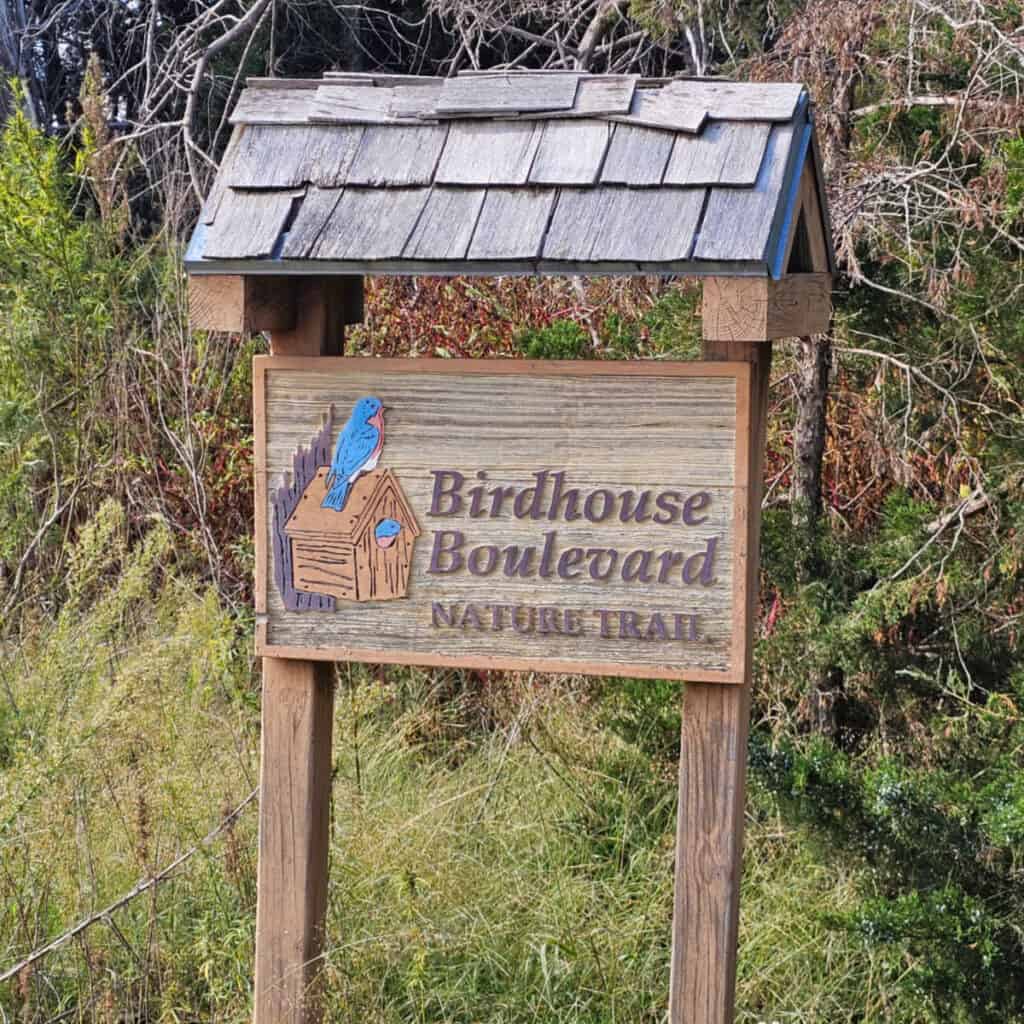
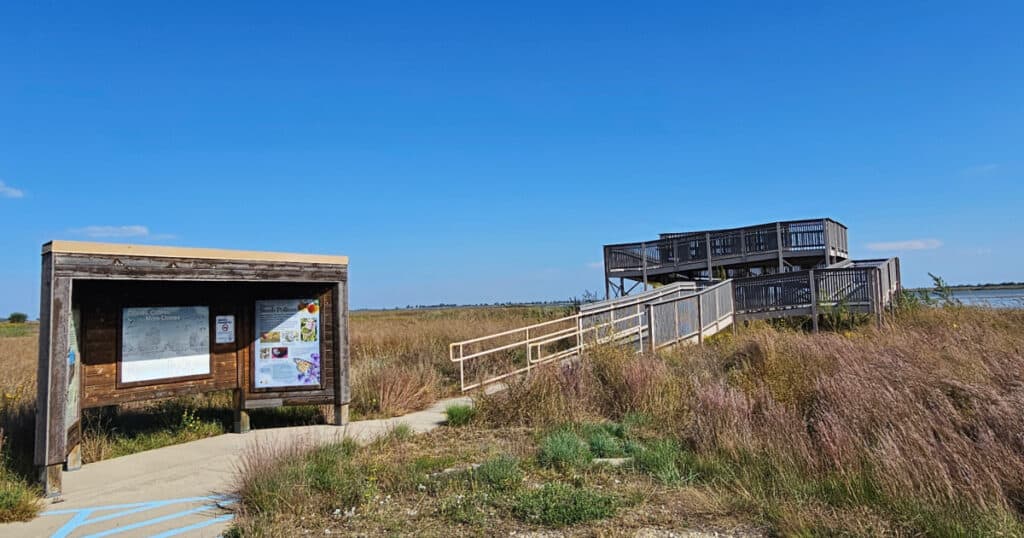
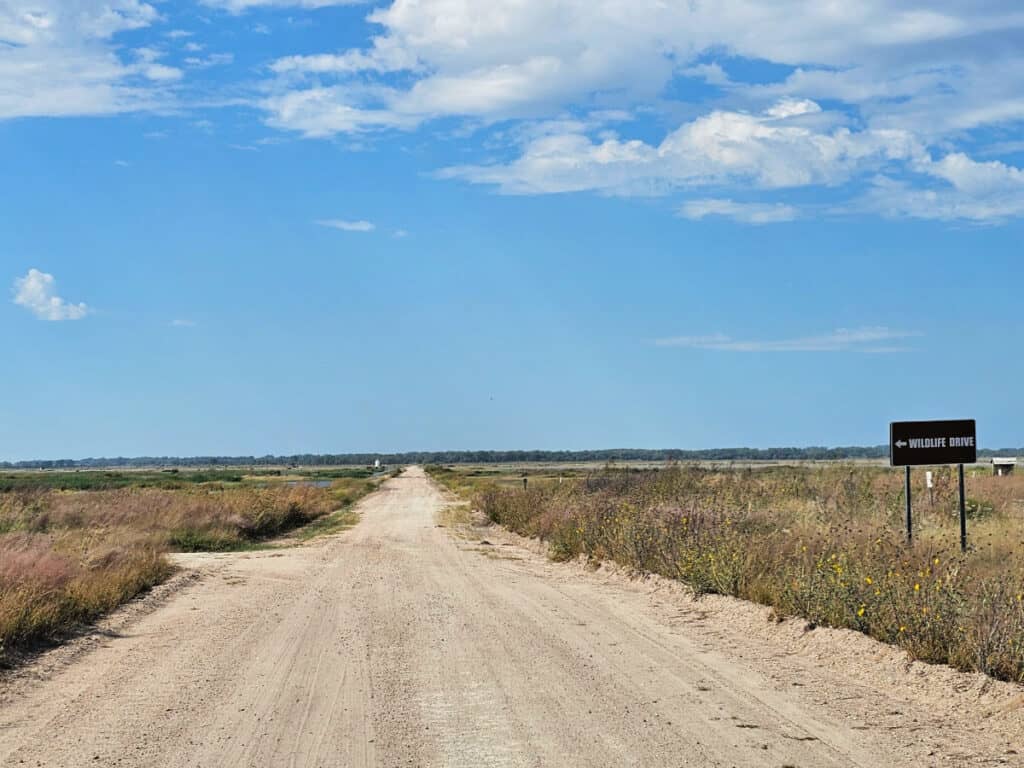
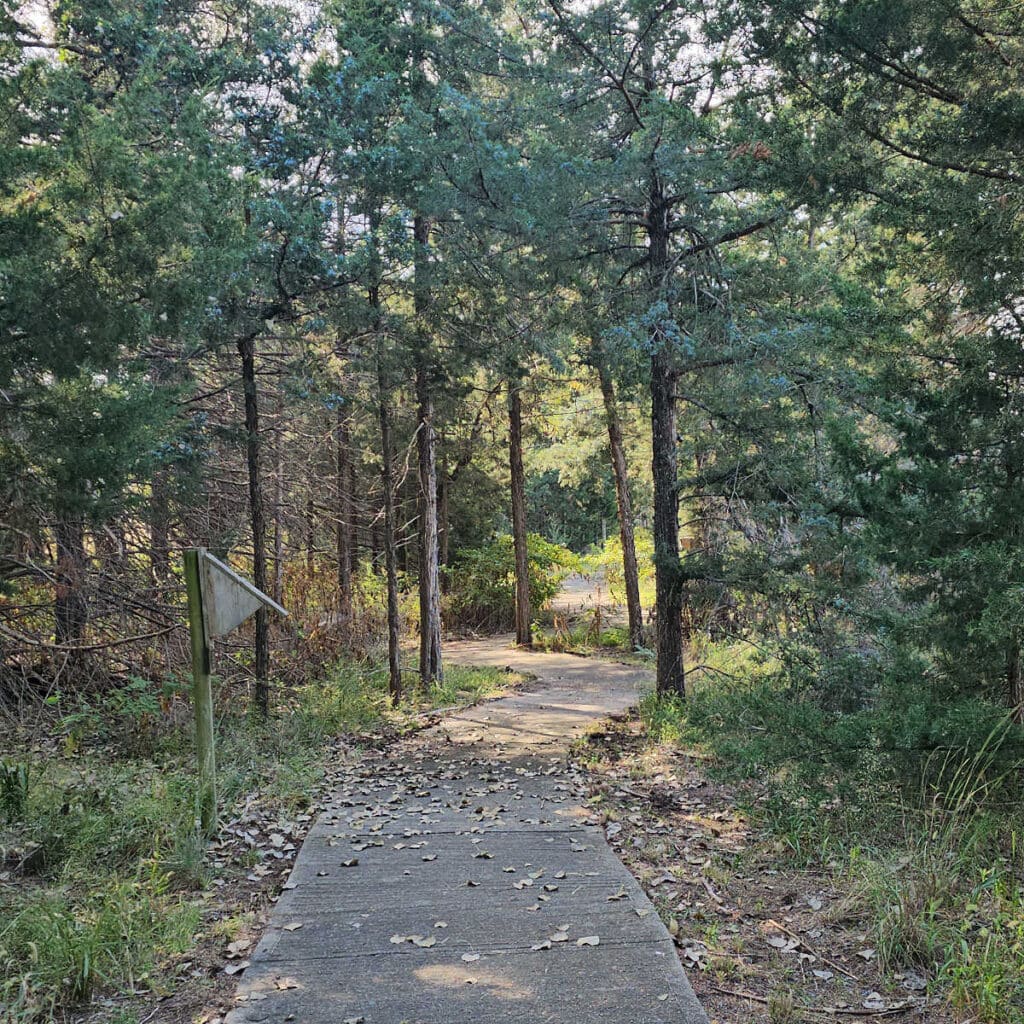
In 1992, Quivira was designated a Wetland Site of International Importance, and in 2008 it was named one of the Eight Wonders of Kansas alongside the nearby Cheyenne Bottoms Wildlife Area. Visitors can explore the refuge via two auto-tour roads, a 1.2-mile nature trail with a marsh boardwalk, photography blinds, a wildlife observation tower, and Birdhouse Boulevard, a wheelchair-accessible trail. The refuge is managed by the U.S. Fish and Wildlife Service and is open year-round.
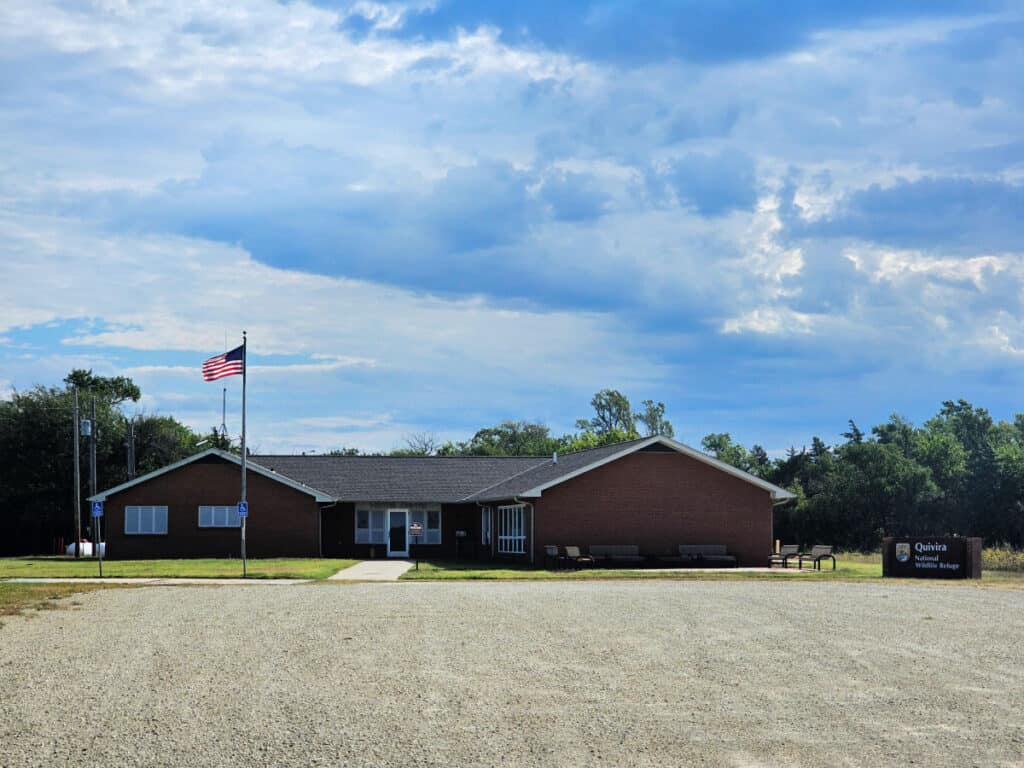
Things to know before you visit Quivira National Wildlife Refuge
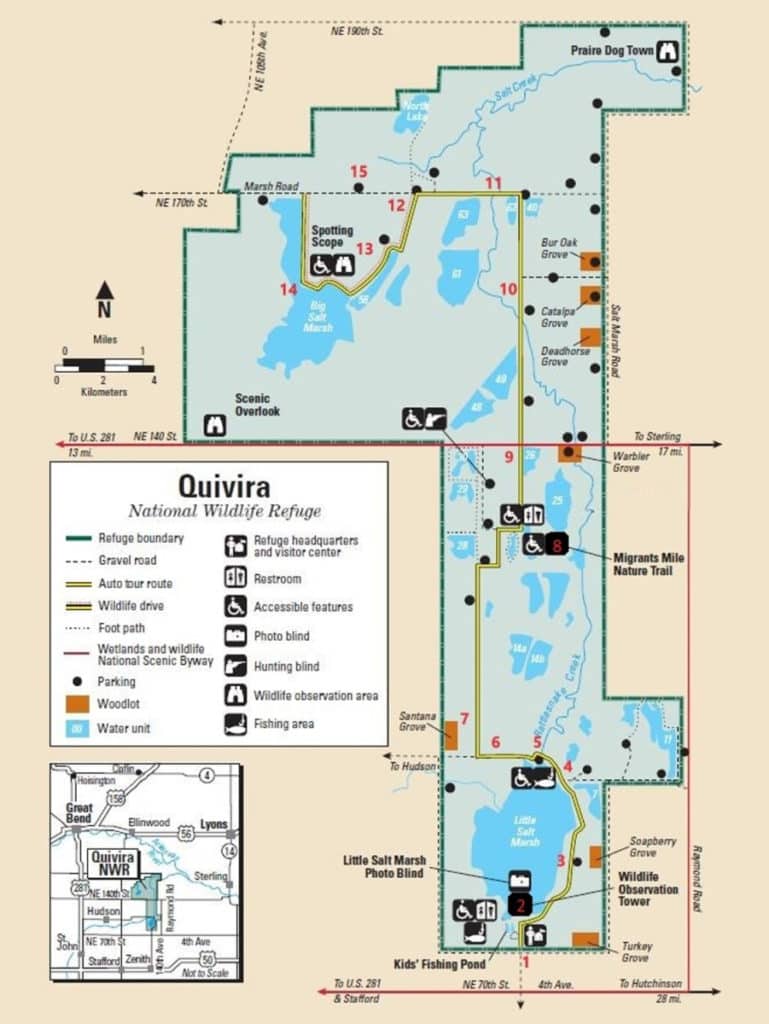
Quivira National Wildlife Refuge Map
Refuge Information
Time Zone - Central Time
Size- 22,125 acres
Date Established: May 3, 1955 under the Migratory Bird Conservation Act.
Phone Number (620_410-4011
Address
1434 NE 80th Street
Stafford, KS 67578-8818
Pets - Dogs and other pets must be under the owner's control at all times. From March 1 through August 31, all dogs and other pets must be leashed.
Cell Service -Cellular service is spotty at best and I would not count on any cellular service while in the refuge.
Hours
- Open daily from 1.5 hours before sunrise to 1.5 hours asfter sunset
- Visitor Center Hours are 7:30a-4p (Monday-Friday)
Wi-Fi Available -No
Food/Restaurants
There are no restaurants in the refuge. There are a few restaurants in the rural towns like Stafford, St. John, and Hudson. Stop in Great Bend, Hutchinson, and Wichita for a larger section.
Personally, I suggest bring a sack lunch because when you get to the refuge and enjoy the peacefulness and the abundance of birds, youre going to not want to leave!
Gas
There are no gas stations in the refuge; however, most of the small surrounding towns do have gas stations.
May I fly a Drone on a National Wildlife Refuge?
No. Launching, landing, or disturbing wildlife by aircraft (drones) on National Wildlife Refuges is prohibited by law - Code of Federal Regulations Title 50 Part 27 Sections 34 and 51 (50 CFR 27.34/51).
Electric Vehicle Charging
There are no EV charging stations in the refuge they are sparse in central Kansas. The closest reliable public charging options are located in Hutchinson, about 45 miles Southeast and Great Bend about 30 miles Northwest.
- Midway Motors Chevrolet (1200 E 30th Ave): Features a 120 kW CCS SynergEV fast charger.
- Roots Coffee Company (9805 S Yoder Rd): Features dual-port Blink 120 kW fast chargers.
- Hutchinson Regional Medical Center (2180 N Waldron St): Offers Level 2 charging.
Don't Forget to Pack
- Insect repellent is always a great idea outdoors, especially around any body of water.
We use Permethrin Spray on our clothes before our park trips. Please read my article on preventing biting insects while enjoying the outdoors.
- Sunscreen - I buy environmentally friendly sunscreen whenever possible because you inevitably pull it out at the beach.
- Bring your water bottleand plenty of water with you. Plastic water bottles are not sold in the park.
- Sunglasses - I always bring sunglasses with me. I personally love Goodr sunglasses because they are lightweight, durable, and have awesome National Park Designs from several National Parks like Joshua Tree, Yellowstone, Hawaii Volcanoes, Acadia, Denali, and more!
Click here to get your National Parks Edition of Goodr Sunglasses!
- Binoculars/Spotting Scope - These will help spot birds and wildlife and make them easier to identify. We tend to see waterfowl in the distance, and they are always just a bit too far to identify them without binoculars.
Getting to Quivira National Wildlife Refuge
Estimated Distance from Major Cities
- Great Bend, Kansas 37 miles, 45 minutes
- Wichita, Kansas - 85 miles, 1 Hr 30 min minutes
- Salina, Kansas - 97 miles, 1 Hr 45 minutes
Closest Airports
- Hays, Kansas (HYS) - 100 miles, 1 Hr 15 minutes
- Wichita, Kansas (ICT) - 87 miles, 1Hr 30 minutes
- Salina, Kansas (SLN) - 92 miles, 1Hr 40 minutes
Best time to visit
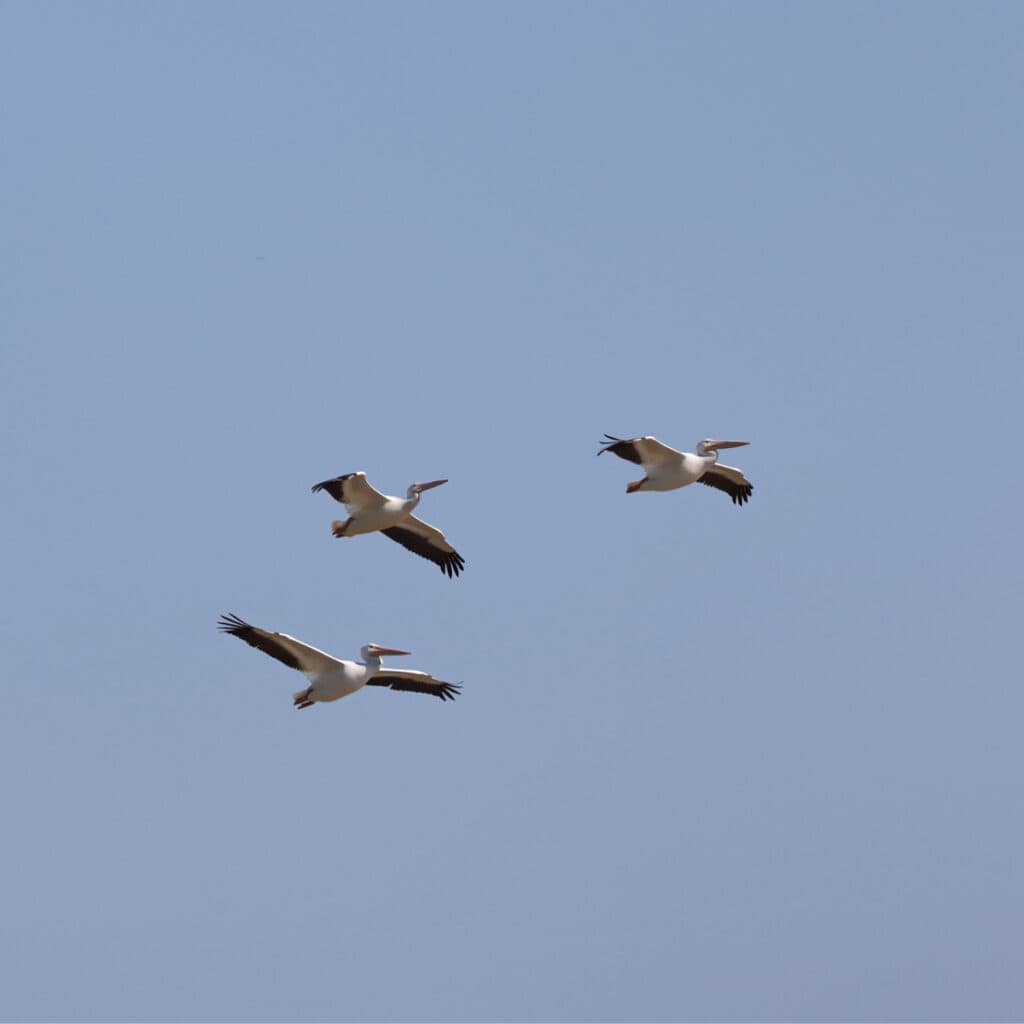
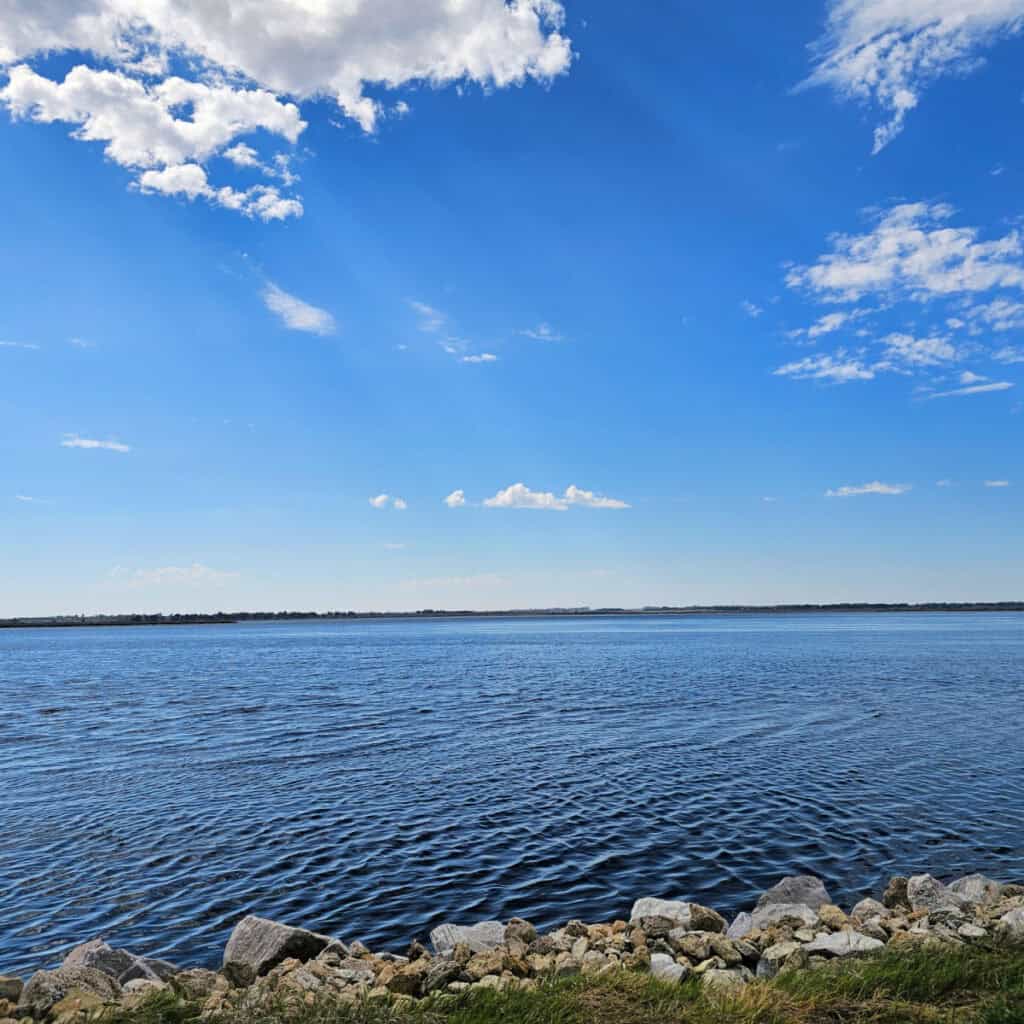
The best time to visit Quivira National Wildlife Refuge is during the spring and fall migrations. During March and April, Quivira becomes a staging area for over 300,000 birds, including Canada geese, ducks, sandhill cranes, American white pelicans, gulls, and other migrants en route to their traditional nesting grounds. Fall brings an equally spectacular show. Whether you are a birder, photographer, or simply a lover of the outdoors, these two seasons offer the most dynamic and rewarding wildlife experiences the refuge has to offer.
Weather and Seasons
Stafford experiences a semi-arid continental climate characterized by hot summers and cold winters with significant temperature variations throughout the year.
The area receives approximately 22-24 inches of annual precipitation, with most rainfall occurring during spring and early summer. Strong winds are common due to the flat terrain and the location in Tornado Alley.
Keep in mind that Kansas sits squarely in Tornado Alley. Severe thunderstorms and tornadoes can develop rapidly in this region, particularly from April through June.
If you are visiting during spring, keep a weather radio or reliable weather app handy and know where to shelter in an emergency.
Spring
Spring is one of the most exciting times to visit Quivira. The weather warms into the 60s and 70s°F, making for comfortable outdoor conditions.
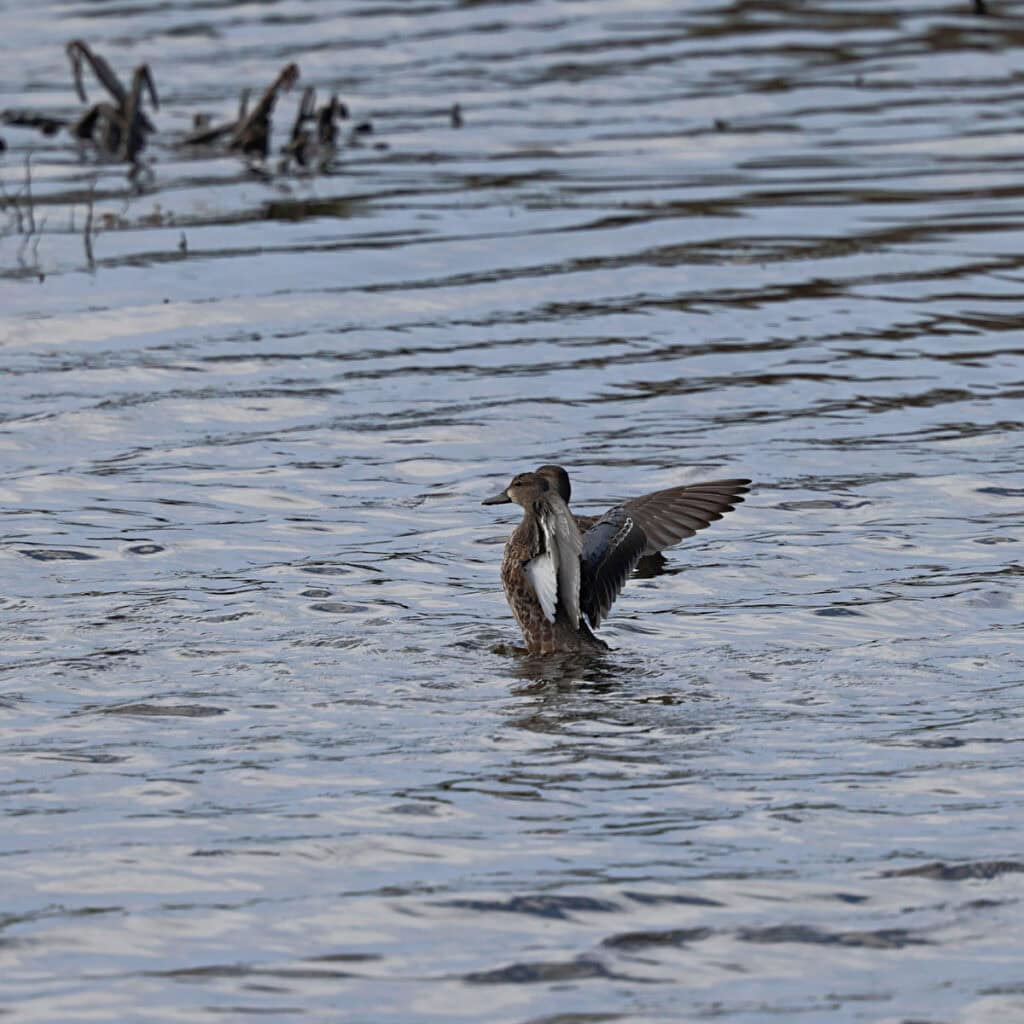
In spring, Quivira is home to nesting species such as snowy plovers, American avocets, black-necked stilts, interior least terns, and blue-winged teal.
Bird lovers will be amazed by the sheer scale of migration activity passing through this vital stretch of the Central Flyway.
Keep in mind that spring also brings the highest risk of severe weather and tornadoes, so always monitor conditions before heading out.
Summer
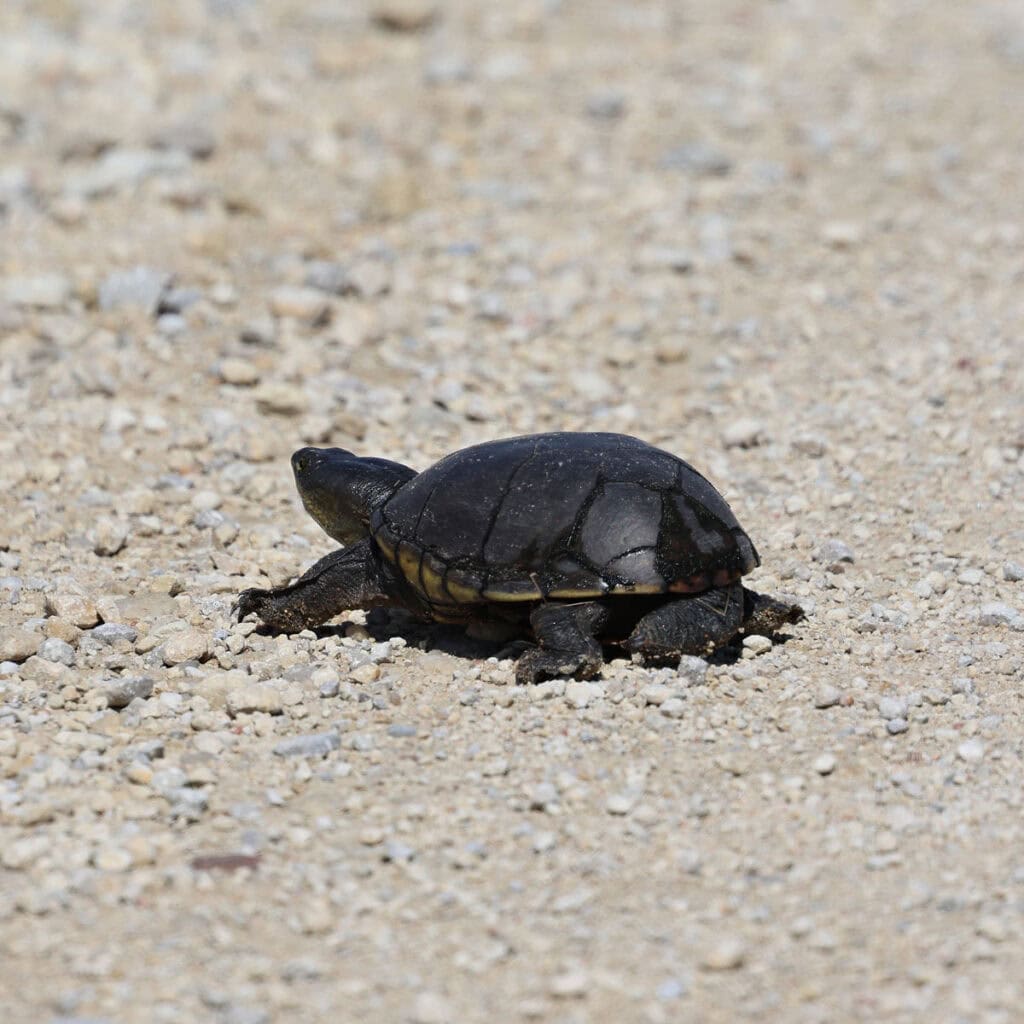
Summer temperatures regularly reach the upper 80s to mid-90s°F, and heat can be intense out on the open marshes and prairie with little shade.
Temperatures can reach 100°F+ so make sure to head out early in the morning to beat the heat, bring plenty of water, and be prepared for biting insects near the marshes.
Exploring by vehicle along the wildlife loop roads is a great way to see birds like avocets, glossy ibis, and pelicans while staying comfortable.
Fall
Fall is the other prime season to visit, and for many birders it rivals or even surpasses spring.
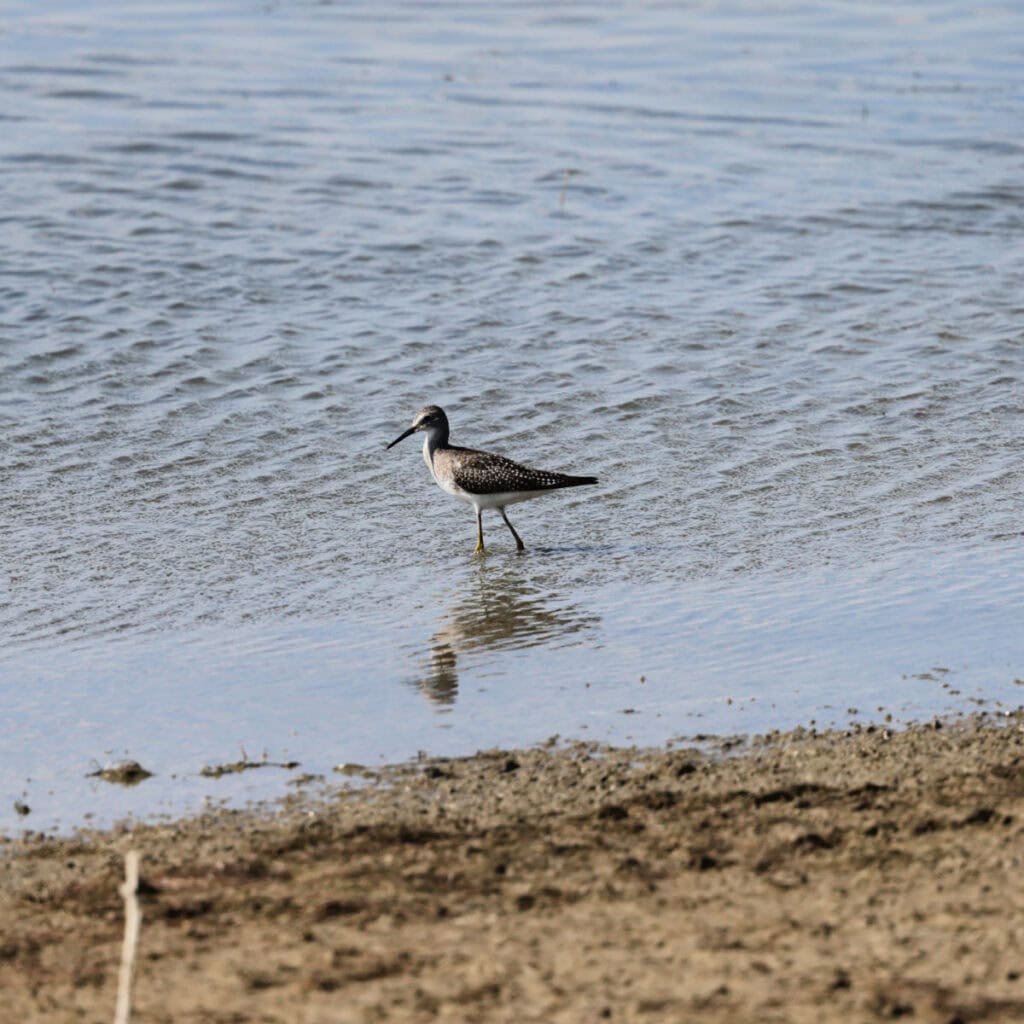
Fall flights of thousands of Canada geese, ducks, sandhill cranes, and shorebirds pass through the refuge from September through December.
Temperatures cool back down into pleasant ranges, making hiking and wildlife photography far more enjoyable than in the summer heat.
Keep your eyes open for the endangered whooping cranes as they may make a stop at Quivira as they migrate through.
Winter
Winter brings a quieter, more peaceful side of Quivira. Winter lows often drop into the teens and twenties°F, and cold fronts can move through quickly, so dress in layers and be prepared for sudden weather changes.
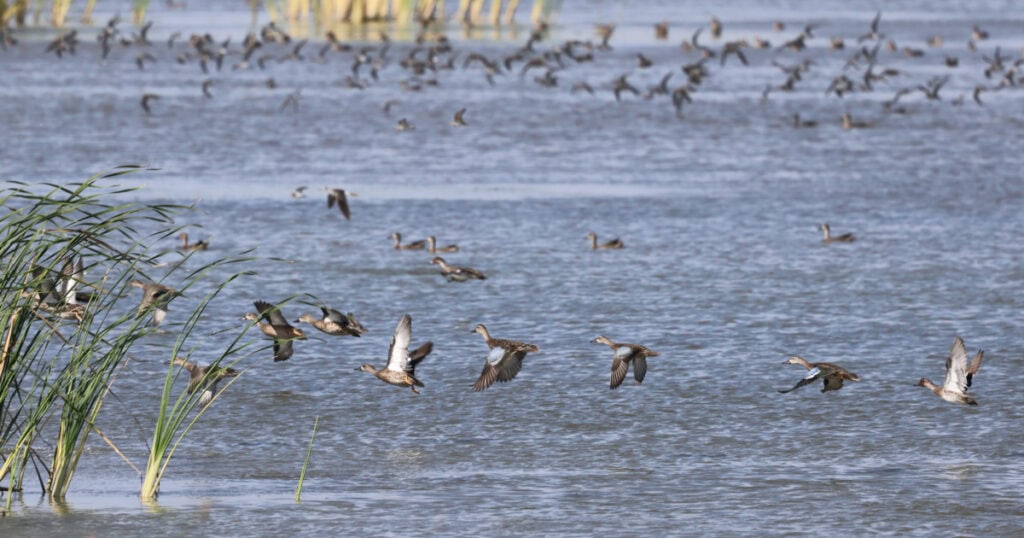
Bald and golden eagles winter on the refuge from November through March, making it an excellent destination for raptor enthusiasts.
The biting insects are gone, the crowds are minimal, and the wide-open prairie landscape takes on a stark, beautiful quality under winter skies.
Winter travelers should be prepared for potential ice storms that can make rural roads hazardous, so always check road and weather conditions before making the drive out.
Best Things to Do at Quivira National Wildlife Refuge
🦅 Birdwatch along one of the most productive migration corridors in North America
🚗 Drive the self-guided wildlife auto tour roads, one 14 miles and the other 4 miles in length, for wildlife viewing throughout the refuge
🥾 Hike the 1.2-mile nature trail through woodlands, grasslands, and across a marsh on an elevated boardwalk
♿ Walk Birdhouse Boulevard, a 1,000-foot wheelchair-accessible trail lined with birdhouses
🔭 Use the wildlife observation tower on the south side of Little Salt Marsh, along with two photography blinds and a spotting scope
📸 Photograph migrating cranes, shorebirds, and waterfowl from the photography blinds
🎣 Fish in the marshes, or bring the kids to the fishing pond near the Visitor Center
🚴 Bike or ride horses on established refuge roads
🏛️ Visit the Visitor Center with interpretive displays about the refuge's ecology and wildlife
🦆 Hunt waterfowl and small game on designated portions of the refuge in season
Lodging Options for Quivira National Wildlife Refuge
⭐️ 4.1 of 5 Stars - Holiday Inn Express and Suites Great Bend - Click here for Rates and Availability.
Perfectly positioned between the two crown jewels of Kansas birding, Quivira National Wildlife Refuge and Cheyenne Bottoms! This Great Bend hotel sits right along the great bend of the Arkansas River, nestled between the wetlands of Cheyenne Bottoms and Quivira National Wildlife Refuge, and is also close to the Kansas Wetlands Education Center, Brit Spaugh Zoo, and the Wetlands Water Park. Amenities include a complimentary hot breakfast, free WiFi, indoor pool, fitness center, free parking, EV charging stations, a 24-hour business center, and conference rooms. An ideal basecamp for birders chasing the spectacular spring and fall migrations along the Central Flyway, including sandhill cranes, whooping cranes, shorebirds, and bald eagles. Pets welcome!
⭐️ 4.3 of 5 Stars - Best Western Angus Inn - Click here for Rates and Availability.
Great Bend's most amenity-packed hotel and a longtime favorite of Quivira wildlife refuge visitors and waterfowl hunters alike! Each room is equipped with free WiFi, cable TV, microwave, refrigerator, and coffee maker, while the property features an indoor pool, hot tub, sauna, fitness center, arcade and game room, and meeting facilities for up to 200 guests. Guests also enjoy two on-site dining options, the Perkins Family Restaurant and Page, an American Bistro, plus a cocktail lounge right on the property. Free continental breakfast included, free parking, and conveniently located just 30 miles from Quivira and close to Cheyenne Bottoms for a full Central Flyway birding experience.
There is very limited lodging options near Quivira National Wildlife Refuge, for additional lodging options , look in Wichita which is under an hour and a half with numerous lodging/dining options available.
Click this link or the map below to see a list of Lodging options in Wichita, Kansas and the surrounding areas.
https://stay22.com/embed/6a288f01df1132ff500f9438Duck Stamp - $25.00
Federal Duck Stamps are valid for 1 year, July 1 to June 30, at all National Wildlife Refuges.
The Federal Duck Stamp is so much more than just a hunting stamp. They cover the admittance fee to National Wildlife Refuges, as well as being required for Migratory Bird Hunters (primarily duck and goose hunters). They are also collectible works of art and an easy way for everyone to help support wetland conservation.
Learn more about National Park Passes for parks that have an entrance fee.
$80.00 - For the America the Beautiful/National Park Pass. The pass covers entrance fees to all US National Park Sites and over 2,000 Federal Recreation Fee Sites for an entire year and covers everyone in the car for per-vehicle sites and up to 4 adults for per-person sites.
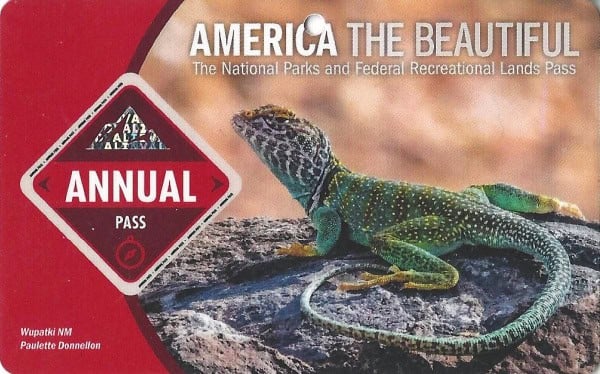
Buy your pass at this link, and REI will donate 10% of pass proceeds to the National Forest Foundation, National Park Foundation, and the U.S. Endowment for Forestry & Communities.
National Park Free Entrance Days -Mark your calendars with the free entrance days the National Park Service offers for US citizens and residents.
Quivira National Wildlife Refuge Camping
There is no camping available in the refuge, but there are several lodging options and private campgrounds nearby.
U.S. Fish and Wildlife Service Resources
The Wilderness Warrior: Theodore Roosevelt and the Crucade for America
This is a great book that centers on Roosevelt's conservation efforts and his role in establishing the Wildlife Refuge system.
The U.S. Fish and Wildlife Service
This book provides an in-depth coverage of the U.S. Fish and Wildlife Service, the Federal Agency that manages the National Wildlife Refuge System, protects endangered species, and conducts fish and wildlife research.
Blue Goose Passport Book
The Blue Goose Passport is named after the symbol of the National Wildlife Refuge System and is designed to record your visits to National Wildlife Refuges.
America's National Wildlife Refuges: A Complete Guide
An all-in-one guide to more than 500 sites in the National Wildlife Refuge System. This book lists each refuge alphabetically by state, providing basic information about accessibility, facilities, and habitat types.
Additional National Wildlife Refuge Articles
- Salt Plains NWR - Oklahoma
- Sequoyah NWR - Oklahoma
- Cameron Prairie NWR - Bell City, Louisiana
National Park Sites in Kansas
- Brown v. Board of Education National Historical Park
- Fort Larned National Historic Site
- Fort Scott National Historic Site
- Nicodemus National Historic Site
- Tallgrass Prairie National Preserve
Check out all of the Kansas National Parks along with neighboring Nebraska National Parks, Missouri National Parks, Oklahoma National Parks, and National Parks in Colorado.
Make sure to follow Park Ranger John on Facebook, Instagram, Pinterest, and TikTok
Leave a Reply